A Fitness, Health, and Body Type Perspective
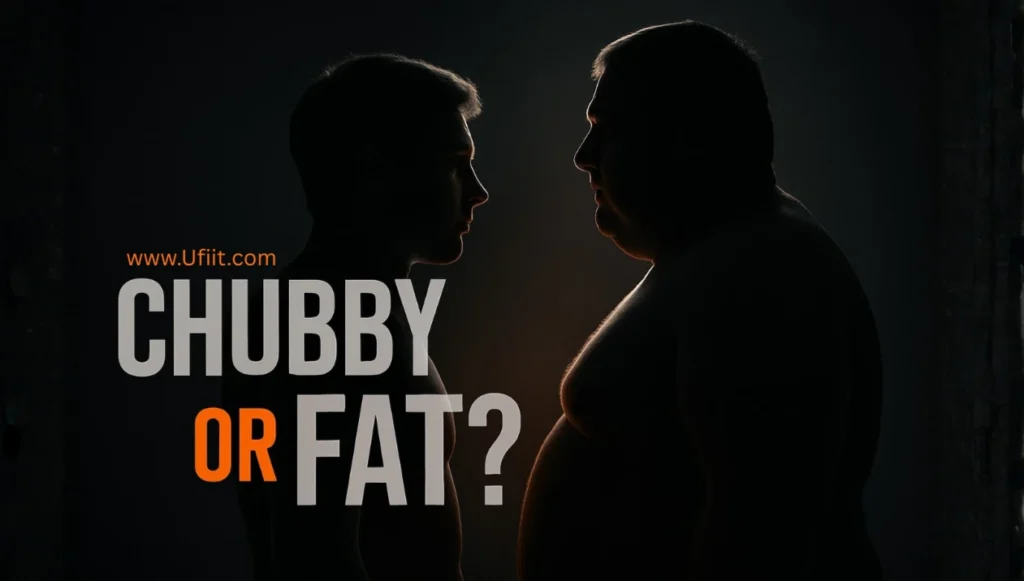
Chubby Is Not Necessarily Fat
This statement matters more than most people realize.
The terms “chubby” and “fat” are often used interchangeably, casually, and without intention—but the impact can be lasting. These labels have shaped self-image, confidence, and even lifelong relationships with health and fitness for millions of people.
As a fitness professional with over 26 years of experience, I’ve seen firsthand how misunderstanding body types leads to judgment, shame, and unnecessary emotional damage. This article is meant to change that conversation—factually, respectfully, and constructively.
Why This Conversation Matters
Too many people are:
-
Defined by appearance instead of health
-
Categorized without understanding their genetics
-
Labeled in ways that harm confidence and motivation
Words matter. And when we use them carelessly, they can reinforce negative self-beliefs that last a lifetime.
Research consistently shows that genetics play a major role in body composition, fat distribution, and metabolic tendencies. While lifestyle matters, not everyone starts from the same biological blueprint.
Genetics, Body Shape, and Fat Storage
You do not choose:
-
Your skeletal structure
-
Where your body stores fat
-
How easily you gain or lose weight
These traits are inherited.
However, genetics are not destiny. With the right training, nutrition, and recovery strategies, we can influence how our genes express themselves.
That begins with understanding body types.
The Three Primary Body Types (Somatotypes)
Every human generally falls into one of three body types—or a combination of them.
1. Ectomorph
-
Naturally lean
-
Narrow frame
-
Fast metabolism
-
Struggles to gain weight or muscle
2. Mesomorph
-
Athletic build
-
Builds muscle easily
-
Responds well to training
-
Balanced metabolism
3. Endomorph
-
Softer appearance
-
Wider frame
-
Stores fat more easily
-
Often mislabelled as “chubby” or “fat”
👉 Learn more:
-
UFiit.com/ectomorph
-
UFiit.com/mesomorph
-
UFiit.com/endomorph
Each body type comes with advantages and challenges.
None are superior. None are inferior.
Chubby vs. Fat: The Key Difference
What “Chubby” Really Means
Chubby is often a natural body characteristic, not a health condition.
Chubby typically describes:
-
A naturally higher capacity for fat cells
-
A softer or rounder appearance
-
Curvier shape
-
Even fat distribution
-
Normal metabolic function
Many chubby individuals are:
-
Healthy
-
Active
-
Strong
-
Metabolically normal
Their bodies simply store fat differently.
What “Fat” Actually Refers To
Being fat is not about appearance alone—it’s about exceeding the body’s natural fat-storage capacity.
Fat generally involves:
-
Excess fat cells beyond genetic capacity
-
Visible fat accumulation (rolls, cellulite)
-
Impaired metabolic health
-
Increased health risk factors
This distinction matters because not every softer body is unhealthy, and not every lean body is healthy.
Why Labeling People Is Harmful
Calling someone “fat” or “chubby”:
-
Rarely helps
-
Often shames
-
Almost never motivates
Most people with weight challenges already know it.
What they usually need instead:
-
Education
-
Encouragement
-
Support
-
A plan that respects their body type
Labeling creates an “us vs. them” mentality and discourages positive action.
The Emotional Impact of Body Labels
Many clients have told me:
-
“I was always the chubby kid.”
-
“People made fun of my body growing up.”
-
“I’ve felt less than my entire life.”
That emotional weight is often heavier than physical weight—and completely unnecessary.
When we confuse body type with body worth, we create lifelong barriers to health and confidence.
A Better Approach: Body Type Awareness
Instead of judging bodies by appearance, imagine if we:
-
Identified body types instead of labels
-
Focused on health markers instead of looks
-
Designed fitness plans around genetics
-
Respected individual differences
Understanding body types helps us:
-
Train smarter
-
Eat better for our biology
-
Reduce comparison
-
Build confidence
Health Is Not a Look—It’s a Function
You cannot diagnose health by sight alone.
True health includes:
-
Energy levels
-
Hormonal balance
-
Mobility
-
Strength
-
Mental well-being
-
Sustainable habits
Appearance is only one small piece of the picture.
Stop Judging. Start Understanding.
As the saying goes:
“Don’t judge a book by its cover.”
What you see on the surface rarely tells the whole story.
Learning to redirect judgment into understanding is a powerful skill—and one that improves not only how we see others, but how we see ourselves.
📘 A recommended read on rewiring judgment and perception:
https://amzn.to/3rLOdqT
Final Thoughts: Words Shape Outcomes
-
Chubby is not necessarily fat
-
Genetics influence body shape
-
Health is individual
-
Respect fuels progress
When we remove harmful labels, we create space for:
-
Growth
-
Healing
-
Sustainable transformation
And that is where real fitness—and real wellness—begins.